Meeting the Needs of the Target audience
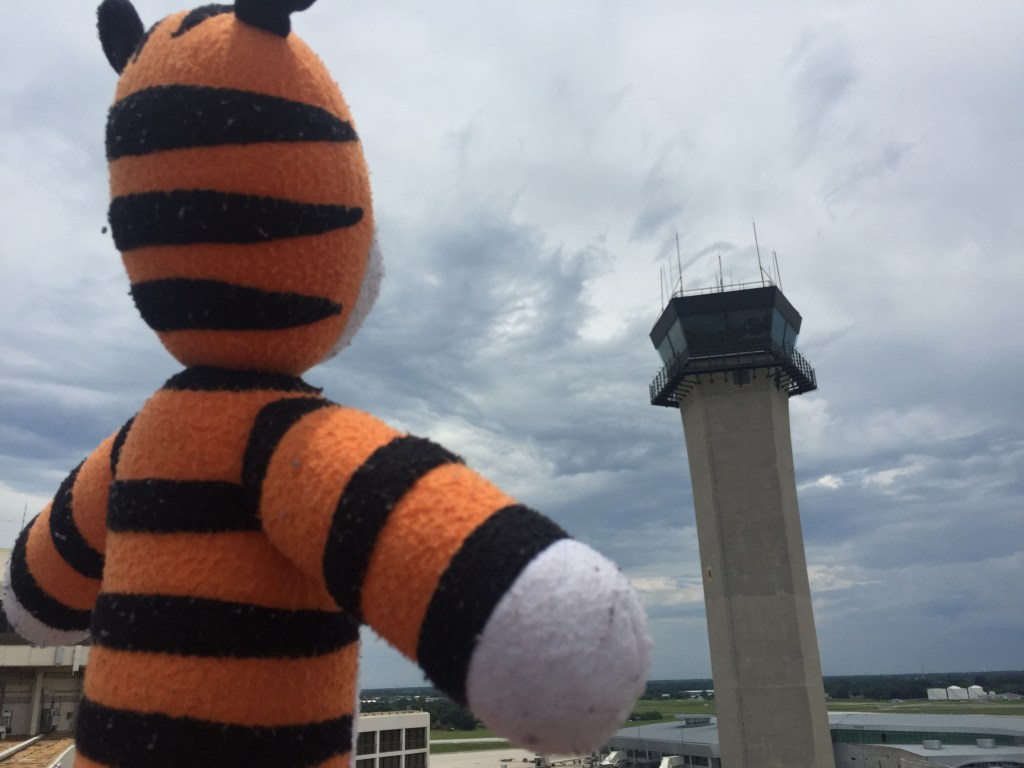
Traveling through airports can be overwhelming. Flight delays, long security lines, crowded waiting areas, and missing items make the traveling experience a nightmare. In the event of a missing item or lost luggage, airports are expected to aid in the recovery process. However, Tampa International Airport went above and beyond standard procedures to recover the item and return it to the family. The item in question was a stuffed tiger that was left behind in the airport play area. After an airport employee found the tiger, it went on a grand adventure around the airport, and the employee photographed it and curated a book for the family who lost the toy. The family not only got their stuffed tiger back but got a personalized storybook about the tiger’s airport adventure. This gesture was shared by Tampa International Airport and quickly went viral on social media and in international news coverage.
The “Tale of Tiger’s Big Adventure” is an example of storytelling that evokes an emotional connection, making a post or story more memorable. It is often easier to remember a good story (Zahay, 2022). Tampa International Airport met the wants and needs of the target audience with this story by emphasizing exceptional customer service, empathy for the consumer’s experience, and genuine care. The story also provides the target audience with an authentic customer experience rather than a tailored advertisement, resulting in stronger consumer trust. Travelers are often stressed and need to know they can rely on airports and airlines to help them. This story demonstrates the company’s commitment to customer service and the willingness to go beyond what is expected.
Addressing the Social and Consumer Experience
The social and consumer experience is the highlight of this story. Rather than a tailored advertisement to target a specific audience, the airport shared a real story that emphasized customer service. The story is told from the perspective of the outstanding employee and the family who lost their toy. People who interacted with the story get the true consumer experience, which positions the company as authentic and trustworthy.
Digital Media Followers
This story received significant engagement on social media and across various news outlets. The overall reach of the story surpassed 3 million, not including engagement from shared posts (Shorty Awards, n.d.). Tampa International Airport continued to engage with followers and commentators in a humorous and light-hearted way. For example, when an airport employee’s mother shared a comment emphasizing the airport’s and its stories’ greatness, Tampa International Airport responded with “Thanks, mom!” (Shorty Awards, n.d.). This continued engagement with the digital audience further showcases the company’s commitment to go above and beyond and have those personalized experiences with its consumers.
How Could the campaign be more efficient
Overall, the campaign accomplished its intended purpose by reinforcing the airport’s commitment to customer service and building trust through authenticity. The risk of trying to stretch the lifespan of a story or campaign is overdoing it. Consumers can grow tired of the same story or kind of content. Without coming off as pushy or making the experience feel inauthentic and like another marketing ploy, the company should encourage other travelers to share their positive or heartfelt experiences. This could be done by attaching a hashtag to the post or content where other consumers upload their own stories. This way, consumers feel heard, and the company does not have to keep generating content that could lose its authenticity.
Tampa International Airport’s Current Digital Media Strategy
Tampa International Airport has a very fun and unique approach to its social media strategy. Across all of its existing platforms, the company shares travel information, airport updates, funny and trending memes and posts, and genuine customer experiences. The company does well to share important and relevant information while simultaneously sharing humorous and authentic content. The airport is keeping up with social media by using short-form videos and other content. A funny way the airport is spreading content is through its mascot, Phoebe the flamingo. Phoebe is used as a humorous but recognizable character in much of the company’s content. Its social media strategy does well to address all of the company’s consumer segments.
Ethically, the company continues to spread heartfelt stories and align itself with organizations and efforts that operate for the betterment of society and the well-being of others. Most recently, Tampa International Airport, Southwest Airlines, and the Arc Tampa Bay Foundation partnered together for a practice flight experience for kids with autism. The event aims to help kids with autism acclimate to the unfamiliar and stressful experiences that may come with travel (Tampa International Airport, 2026). The company also continues to engage respectfully and truthfully with followers and commentators, continuing its long-term commitment to customer service.
Tampa International Airport does not have an app developed or operated by the airport. However, the app that does exist offers airport maps, directories, parking guidance, etc. This information is also available on the airports website and many airline apps such as Delta and American Airlines. This information meets consumer needs by alleviating stress and uncertainty associated with airport travel.
References
Shorty Awards. (n.d.) Tale of Tiger’s Big Adventure Highlights Airport’s Commitment to Customer Service. https://shortyawards.com/8th/boy-leaves-stuffed-tiger-at-tpa-returns-to-a-tale-of-tigers-big-adventure-see-more-at-httpww
Tampa International Airport. (2026, July 20). Instagram. https://www.instagram.com/p/DbBYlihjnKK/?img_index=1
Zahay, D. (2022). Social Media Marketing: A Strategic Approach (3rd ed.). Cengage Learning US. https://bookshelf.vitalsource.com/books/9798214352879
 mkt2656
Leave a comment